











Short answer
Cavity wall insulation removal should follow evidence that the material needs to come out, not a blanket claim about homes in Oswestry. A survey should consider moisture sources, wall construction, access and the repairs needed alongside any extraction.
Start with the symptoms in your property
Describe what has changed: a damp patch after heavy rain, recurring mould in a bedroom, cold areas on an external wall or concerns raised during a sale. Note whether the problem started before or after insulation was installed. Timing is useful evidence, but it does not establish causation by itself, especially where other alterations or maintenance problems occurred at the same time.
For a home in Oswestry, the immediate surroundings matter more than a broad regional assumption. An open site and a sheltered terrace can have different exposures. The inspection should consider the affected elevation, roof and gutter condition, window details and internal ventilation rather than deciding the answer from the postcode or the age of the insulation alone.
Confirm the wall type and existing material
Not every wall in a house is necessarily built in the same way. An extension may contain a different cavity or a different insulation system from the original building, and some sections may be solid masonry. Establishing that construction is essential before planning extraction or assuming that all damp areas share a common cause.
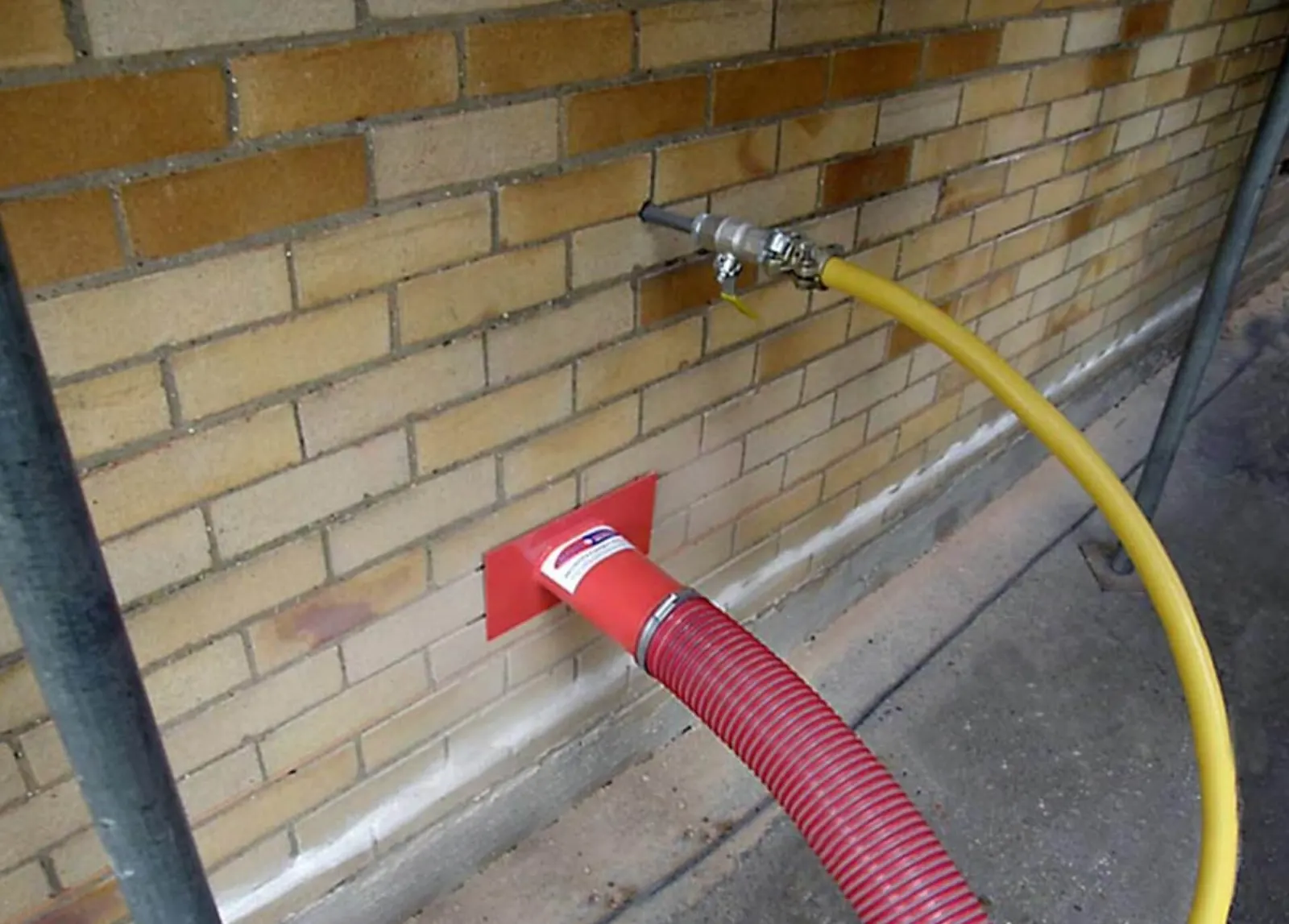
Look for original installation records and later building work documentation. An appropriate inspection may include camera checks to identify material and distribution, with any limitations explained. Avoid exploratory drilling yourself: services, hidden details and unknown materials can create risks. Ask the surveyor to record which elevations were inspected and whether further access is needed to reach a reliable recommendation.
Decide whether extraction addresses the cause
Wet, poorly distributed or otherwise problematic cavity insulation may justify removal, but the recommendation needs a clear explanation. Ask how the observed material relates to the internal symptoms and whether debris, water entry or defective detailing is also involved. Extraction and cavity clearance are related activities, but they are not identical descriptions of every remedial project.
If the main problem is a leaking gutter, a roof defect or a plumbing leak, removing insulation alone may leave the property wet. Where the evidence is uncertain, an independent assessment can help establish the cause before you commission substantial work. A useful survey tells you what has been ruled out as well as what is suspected.
What an Oswestry quotation should explain
Ask for a written description of the walls included, the material being removed and the proposed access method. The quotation should distinguish extraction, debris clearance, making good and any separate building repairs. Where the scope depends on hidden conditions, ask how additional work would be discussed and approved before costs increase.
There is no responsible single price for every local house. Wall area, material, access, condition and the complexity of the building all influence the work. Compare quotations on a like-for-like basis rather than choosing a low headline figure that excludes difficult elevations, verification or waste handling. Ask whether VAT and relevant access costs are included in the quoted amount.
Arrange access and protect everyday use of the home
Consider parking, shared passages, garden access and neighbouring land before agreeing a work date. A machine position that looks convenient on a photograph may obstruct a driveway or emergency route in practice. Rear walls above conservatories and awkward side elevations may need specific access equipment, which should be identified during planning.
Ask about noise, equipment, protection and any internal access required. Discuss children, pets, home working and health needs before the visit so practical arrangements can be made. Do not assume that external work creates no disruption, or that every household needs to leave. The right arrangement depends on the scope and the circumstances of the people using the property.
Check guarantees before disturbing the installation
If you have an installation guarantee, read the terms and notify the relevant provider about the problem. Keep copies of correspondence and follow any required inspection or authorisation process before arranging non-emergency removal. Having a guarantee does not establish that every defect is covered, nor does the absence of an installer automatically mean no enquiry is possible.
Where urgent action is needed for safety, document the conditions and seek appropriate advice rather than allowing a guarantee dispute to leave occupants at risk. For a sale or mortgage concern, ask the surveyor or lender what evidence they require. A contractor should not promise that extraction will automatically resolve lending, valuation or legal questions.
Understand the limits of inspection
A visual inspection can identify important clues, but it cannot show the full condition of a concealed cavity. Camera inspections also have limits: visibility depends on the access point, the material present and the arrangement of the wall. Ask where checks were made and whether extensions or inaccessible elevations have been treated separately in the findings.
Moisture readings should be interpreted alongside construction, weather history and the pattern of symptoms. One instrument reading is not a complete diagnosis. Further investigation may be justified where the consequences of getting the decision wrong are significant. Obtain agreement about opening-up, reinstatement and costs before additional investigation begins, and ask how the findings will affect the eventual specification.
Agree scope, sequence and handover
Before approving work, request a written scope that explains which walls are included, what preparation is needed and which associated repairs are excluded. Access equipment, protection, waste handling and making good should be addressed explicitly. If an unexpected condition is discovered, agree how variations will be priced and authorised rather than leaving this to an informal conversation during the work.
The handover should make sense to someone who was not present. Ask for relevant photographs, the work completed, any areas not reached and recommendations for monitoring or further repairs. Keep this information with the property records. A completion visit does not remove the need to review persistent symptoms, and a guarantee should not be interpreted as covering work outside its actual terms.
Plan for moisture recovery and thermal comfort
After a moisture source is repaired, the building may still contain water in plaster, masonry or timber. Drying varies with the material, thickness, weather and indoor conditions. Agree what signs of progress will be monitored and avoid covering affected surfaces with new finishes before the substrate is suitable. The absence of visible mould for a short period does not establish that the underlying cause has been resolved.
Consider heat loss and ventilation together when changing insulation. Extraction may be necessary for a defective installation, but it is not itself an energy-efficiency upgrade. Any replacement strategy should follow a fresh assessment of suitability, including the reasons the original system failed. Maintaining comfortable rooms should not depend on ignoring water entry, blocking necessary ventilation or rushing an unsuitable refill.
When to call a professional
Arrange a building assessment for persistent damp, recurring mould, unexplained cold patches or a survey report that questions existing insulation. Mention vulnerable occupants and any rapid deterioration when booking. Water near electrical fittings, signs of structural movement or an immediate danger need urgent attention rather than a routine quotation appointment. Contact an appropriate emergency service or qualified trade where necessary.
Choose advice that considers the whole problem rather than assuming insulation must be the cause. Some cases need an independent building surveyor, a roofing contractor, a ventilation specialist or legal advice as well as an extraction contractor. Ask who is responsible for coordinating the findings. Do not disturb unknown materials or drill exploratory holes yourself, particularly where concealed services or hazardous materials may be present.
Book a free survey and quote
Speak to SmartStone Energy Solutions Ltd about a free survey and quote for your property. Call 0800 0239 272 or WhatsApp 07519 147254, Monday to Friday, 9am to 5pm. Share the property postcode, your main concerns and any useful photographs so the conversation starts with the right information. A quotation should describe the proposed work rather than promise that every moisture problem will disappear.
SmartStone covers Shropshire and North Wales and is based at Unit 5 Weston House, Mill Weston Rd, Oswestry SY10 9ES. The business has 25+ years experience, is TrustMark registered and is an NIA member. Ask how PAS 2035:2023 applies to the proposed retrofit work and what assessment, evidence and handover information your particular project needs.
Request a free survey and quote or call 0800 0239 272.
Frequently asked questions
Do you cover Oswestry and surrounding Shropshire?
SmartStone Energy Solutions Ltd covers Shropshire and North Wales and is based in Oswestry. Share the property postcode when requesting a free survey and quote so access and scope can be discussed.
Can I get a quote without a survey?
Initial information can support a conversation, but a dependable scope requires assessment of the walls, material and access. Treat any early estimate as provisional until the relevant conditions are known.
Is removal guaranteed to stop damp?
No. Damp can have several causes, and extraction only addresses the part of the problem it is suited to resolve. The survey should identify associated repairs and any remaining uncertainty.
Will my house be colder after extraction?
Removing effective insulation can increase heat loss, although defective material may not have been performing as intended. Discuss future thermal measures after the wall has been assessed and the moisture problem addressed.
Should I book extraction before selling?
Do not commission it solely because a buyer has asked a general question. Obtain the relevant survey findings, investigate the concern and clarify what evidence the buyer or lender actually requires.