
Guides
Guides for Homeowners and Landlords
Clear, practical answers on failed cavity insulation, extraction, damp, mould and heating from our Oswestry team.
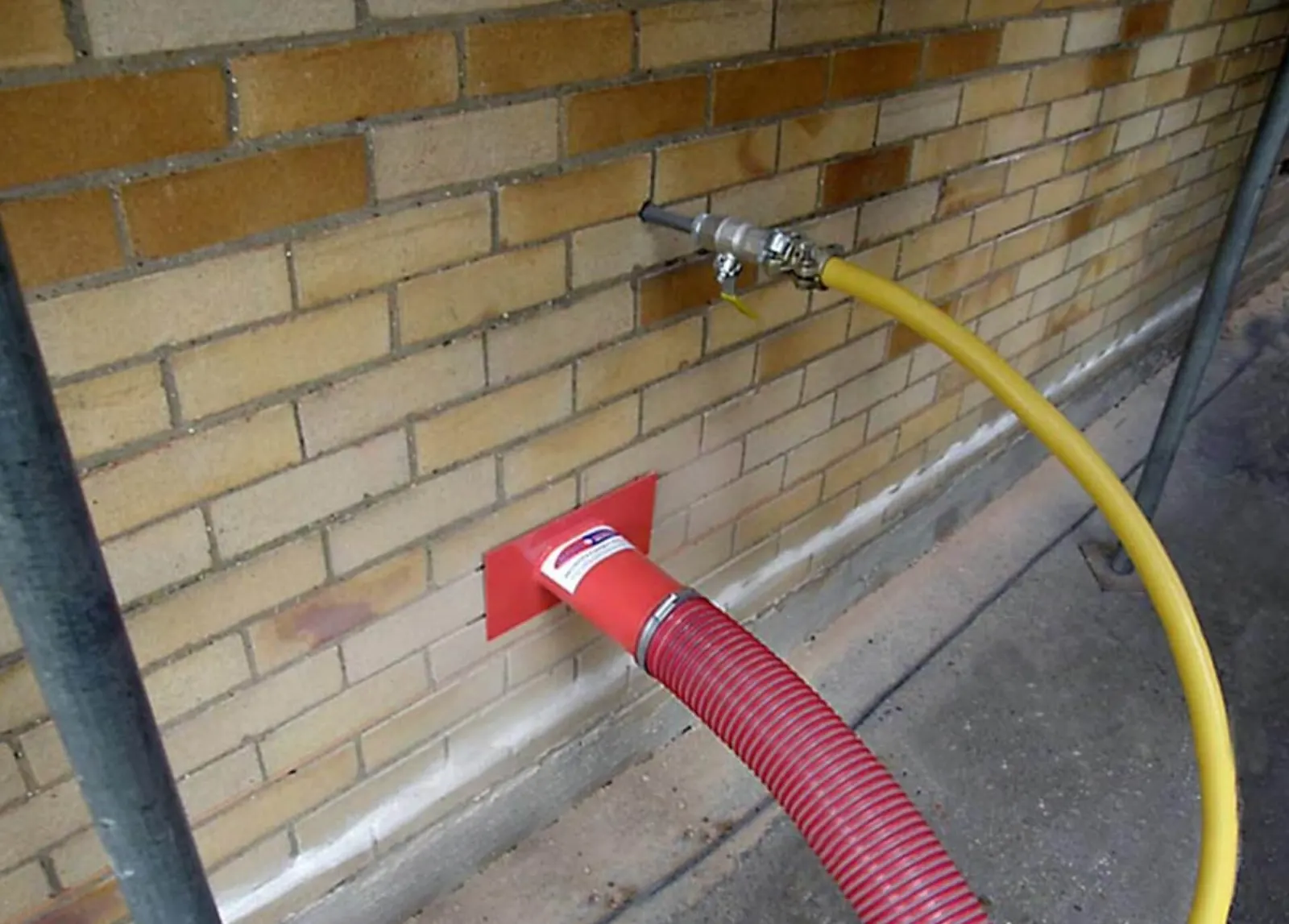
How cavity wall insulation removal works
Cavity wall insulation removal, also called extraction, takes insulation out of the gap between the inner and outer leaves of a cavity wall. It should start with evidence that removal is appropriate, not an assumption that every damp wall needs emptying.
Read moreCavity wall insulation removal cost: what affects your quote?
A useful cavity wall insulation removal cost is a price for a clearly defined job at your property, not a headline figure copied from another house. Survey findings, material, wall area and access can change the scope substantially.
Read moreSigns of failed cavity wall insulation
Failed cavity wall insulation is a possible explanation for damp patches, persistent cold areas or recurring mould, but these symptoms are not a diagnosis. The aim is to connect visible signs with evidence from the wall and rule out other causes before choosing treatment.
Read moreDamp and mould after cavity wall insulation
If damp or mould appears after cavity wall insulation, the timing is important evidence, but it does not establish the cause. A good investigation checks the installation alongside rain entry, leaks, ventilation and the way the building deals with moisture.
Read moreFree cavity wall insulation removal: grants, guarantees and claims
Searching for free cavity wall insulation removal can lead to very different offers. A grant for energy improvements, a remedy under an installation guarantee and a legal or financial claim are separate routes, with different conditions and risks.
Read moreHow long does cavity insulation extraction take?
Planning extraction means planning more than the hours when a machine is running. A useful programme separates inspection, access arrangements, removal, verification and subsequent repairs, so you know what happens before the team arrives and what may continue afterwards.
Read more
Cavity insulation and wind-driven rain in Shropshire and North Wales
An exposed hillside home and a sheltered street can face different moisture loads even within the same town. Understanding that difference is essential when investigating damp or deciding whether cavity wall insulation is appropriate.
Read more
Landlord damp and mould obligations: Awaab’s Law and Wales
Damp complaints need a prompt, documented response that protects occupants and investigates the building. The legal framework differs between England and Wales and between social and private renting, so a cross-border property portfolio needs more than one standard response template.
Read more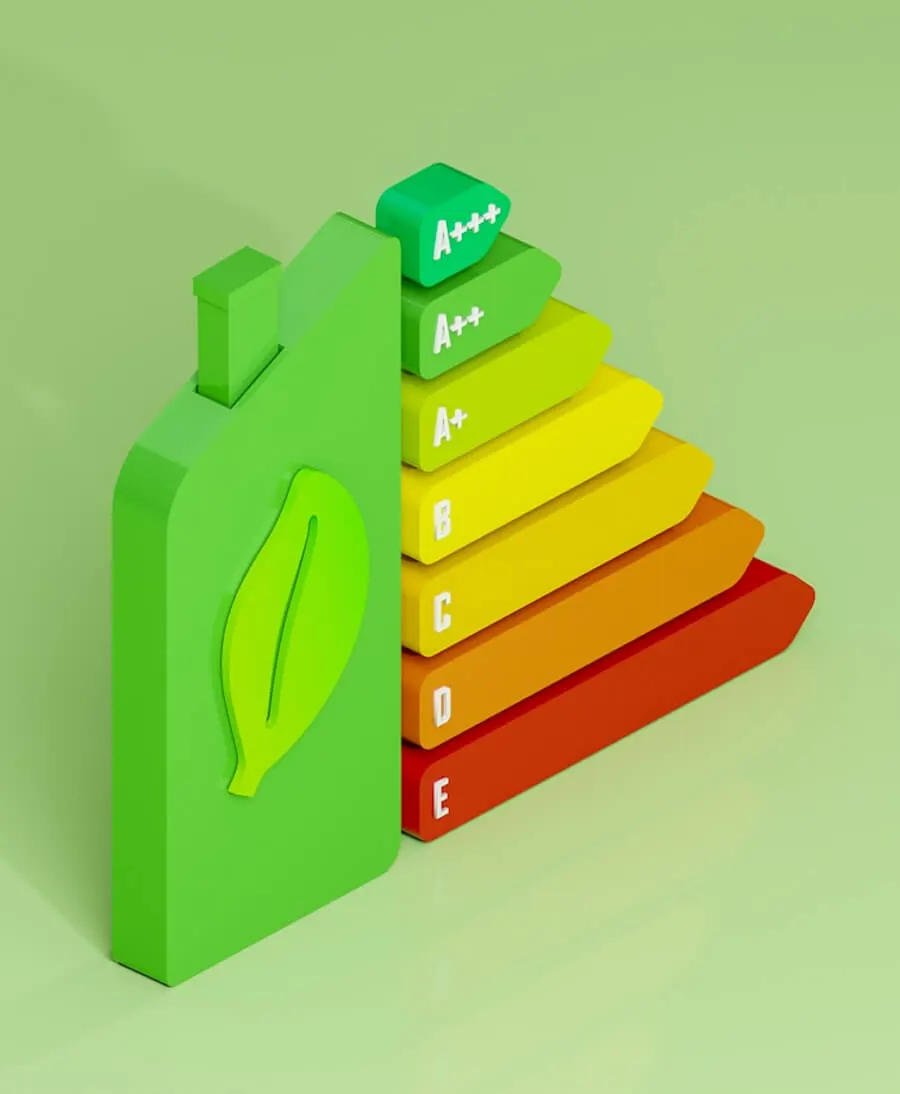
EPCs and cavity wall insulation: evidence before improvements
An Energy Performance Certificate can help structure an improvement plan, but it is not a condition survey or permission to fill a cavity. The right approach starts with the wall, the evidence available and the purpose of the proposed work.
Read moreCavity wall insulation removal in Oswestry and Shropshire
If an Oswestry property develops damp or a survey raises concerns about cavity insulation, the next step is a careful diagnosis rather than an automatic extraction booking. This guide explains what to ask, which records help and how to plan a proportionate response.
Read moreCIGA guarantee: what if your installer has gone bust?
Finding damp after cavity wall insulation is worrying enough without discovering that the installer has disappeared. Start by separating the condition of the walls from the paperwork: a business closing does not, by itself, establish whether the insulation is defective or whether a particular guarantee covers the problem.
Read more
Cavity wall insulation, mortgage surveys and selling your home
A survey query about cavity insulation can feel alarming when a sale is already under way. The practical response is to identify the exact concern, assemble reliable records and agree what evidence the buyer or lender needs before commissioning work.
Read moreHow to tell if your walls have cavity wall insulation
You may inherit insulation without any paperwork, or move into a house where different walls were treated at different times. The safest approach is to build a picture from records and visible clues, then use an appropriate professional inspection where certainty matters.
Read more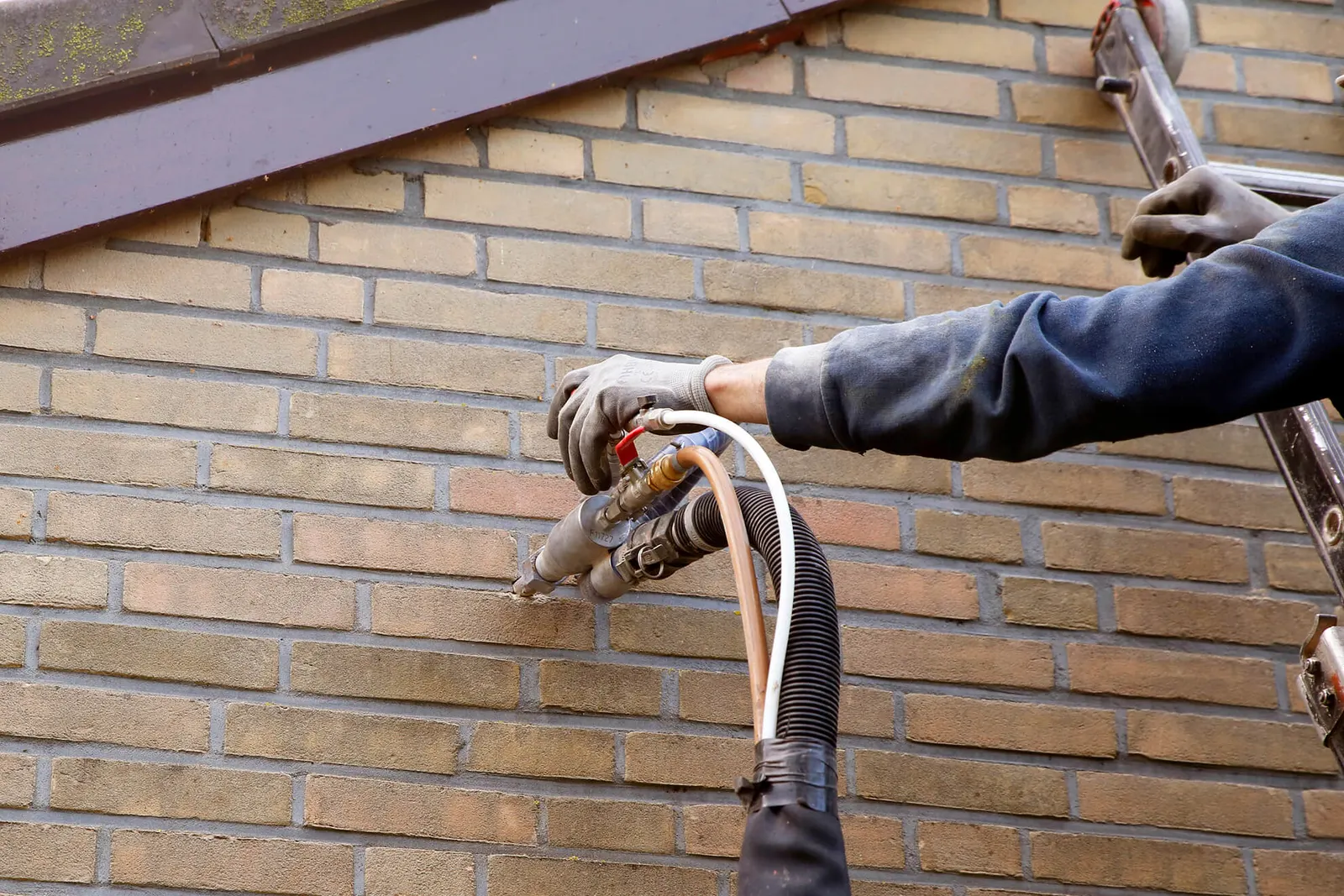
Bead, foam and wool cavity insulation: why problems develop
Insulation failures are often described as if one material is always responsible. In practice, material choice, installation quality, cavity condition and the weather exposure of the wall interact. Understanding that interaction is more useful than assuming every home with a particular fill needs extraction.
Read moreCan you refill a cavity after insulation extraction?
Extraction is not the end of the decision about your walls. Once failed or unsuitable material has been removed, the next question is whether the cavity can safely and usefully be insulated again. That requires a fresh assessment rather than a promise made before the original problem is understood.
Read more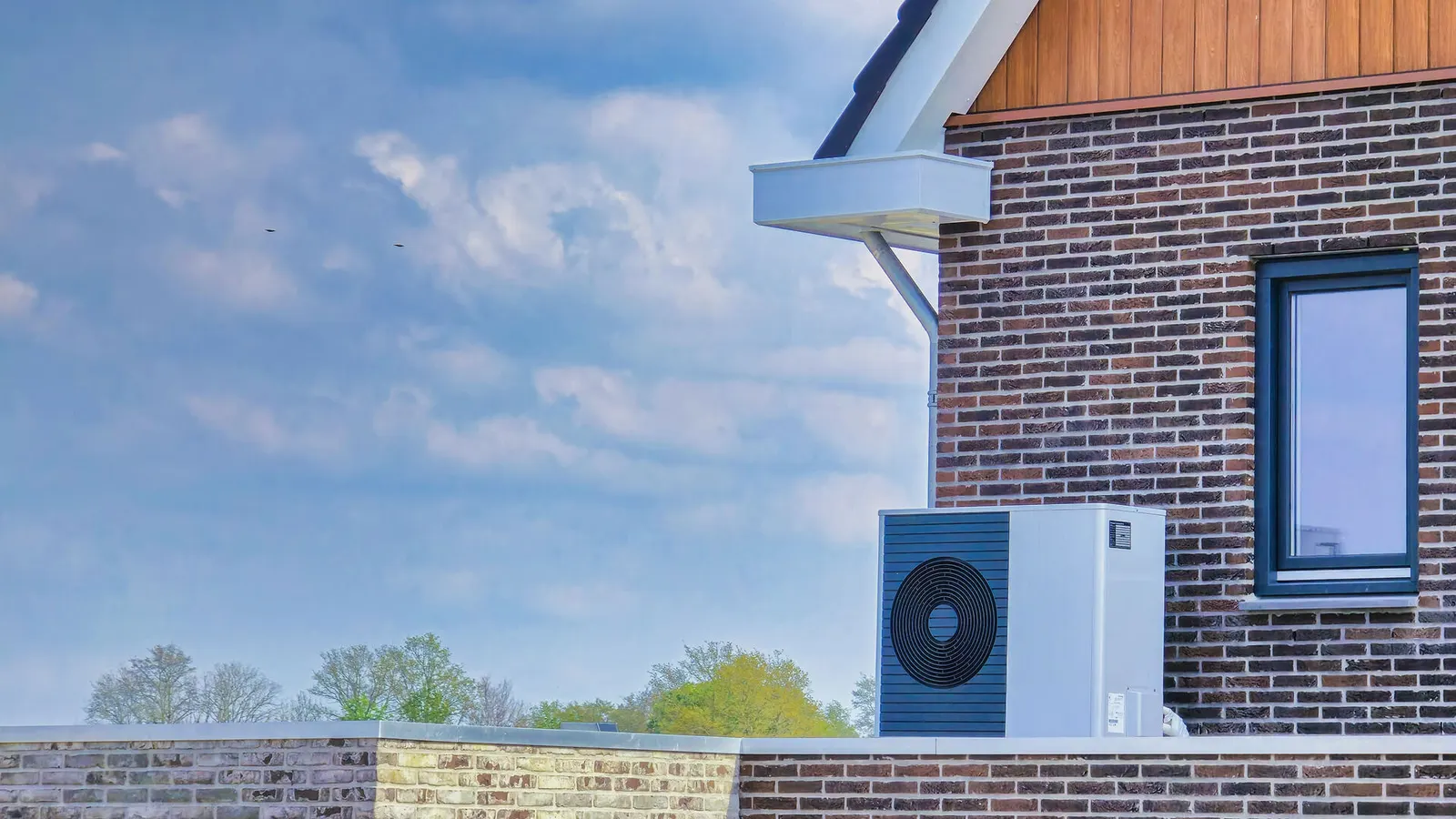
Air source heat pumps: a practical Shropshire guide
Replacing a boiler is a decision about the whole home, not just the box outside. This guide explains how to assess an air-to-water heat pump, compare proposals and prepare for a survey in Shropshire or North Wales.
Read more
Home air conditioning in the UK: choosing a sensible system
A comfortable home starts with understanding which rooms overheat and why. Air conditioning may be useful, but equipment choice, installation details and everyday operation matter as much as the name on the indoor unit.
Read moreCondensation and mould: getting heating and ventilation right
Wet windows and mouldy corners are symptoms, not a complete diagnosis. Understanding moisture sources, surface temperatures and air movement helps you choose practical improvements without overlooking a leak or a building defect.
Read more
Security bollards for homes and businesses
A bollard can add a visible physical barrier to a driveway or private parking area. The useful question is not simply which model looks strongest, but how the complete installation will work with the site, its users and the risks you want to reduce.
Read moreRising damp or penetrating damp after insulation?
Finding damp after insulation can be worrying, but timing alone does not establish the cause. A careful assessment should separate water entering the building, moisture rising or bridging near ground level, and condensation on cold surfaces.
Read moreMore home energy guides
- Signs Your Cavity Wall Insulation Has Failed
- Cavity Wall Insulation Extraction Cost
- Can Failed Cavity Insulation Cause Damp?
- Do I Need a New DPC?
- Condensation vs Rising Damp
- How to Stop Mould on Walls
- Cavity Clearance Explained
- Cavity Insulation Removal, Step by Step
- Cavity Wall Insulation Extraction
- Cavity Wall Insulation
- Home Insulation Guide
- Internal Wall Insulation
- Room in Roof Insulation
- Loft Insulation
- Solar PV Panels
- Air Source Heat Pumps
Book a survey with a local, accredited team
Based at Unit 5 Weston House, Oswestry. Covering Shropshire and North Wales for homeowners and landlords. Speak to Gary Hanson directly.